The Unfolding Saga: Separating Fact from Fiction on Netanyahu's Well-being
In an era saturated with information, the line between credible news and elaborate hoaxes often blurs. This reality was starkly highlighted by the recent flurry of social media activity questioning the well-being of Israeli Prime Minister Benjamin Netanyahu. Concerns rapidly escalated across platforms, with many users, particularly on Reddit and similar forums, seeking answers to the urgent question:
Is Netanyahu Alive Latest Update Reddit? This article dives deep into the origins of these persistent rumors, examines the peculiar claims of AI-generated footage, and outlines the definitive official responses that have put the speculation to rest.
The Genesis of a Global Hoax: Tracing Netanyahu Death Rumors
The whispers about Benjamin Netanyahu's demise began to circulate widely in early March 2026, specifically driven by unverified social media claims. These allegations posited a dramatic scenario: that the Israeli Prime Minister had been killed in an Iranian missile attack on Israel. Initial reports, lacking any official corroboration, suggested that Iran had bombed Netanyahu's home, resulting in the death of his brother and injuries to National Security Minister Itamar Ben-Gvir.
A significant catalyst for these claims appeared to be comments made by former US intelligence officer Scott Ritter, which were then amplified and distorted across various online channels. The rumor mill intensified dramatically due to a perceived communication vacuum. Typically, Netanyahu's official channels release one to three videos daily. However, nearly three days passed without a new video, and almost four days without any fresh images, with subsequent attributed statements being predominantly text-based. This unusual lull in visual updates created fertile ground for speculation and distrust.
Further events inadvertently fanned the flames of suspicion. Hebrew sources reported on March 8 that the security perimeter around Netanyahu's home had been heightened, specifically to guard against potential suicide drones. The cancellation of a planned visit by Jared Kushner and Steve Witkoff to Israel, scheduled for the same day, was also linked to the deteriorating security situation, adding another layer of mystery. Even international reports, such as one from the Élysée Palace concerning a telephone conversation between French President Emmanuel Macron and Netanyahu, failed to specify a date, releasing only a text of the alleged conversation, further fueling uncertainty. These seemingly disparate events, when viewed through the lens of heightened online anxiety, coalesced into a compelling, albeit false, narrative of crisis and potential tragedy.
The AI Conundrum: Debunking the "Deepfake" Allegations
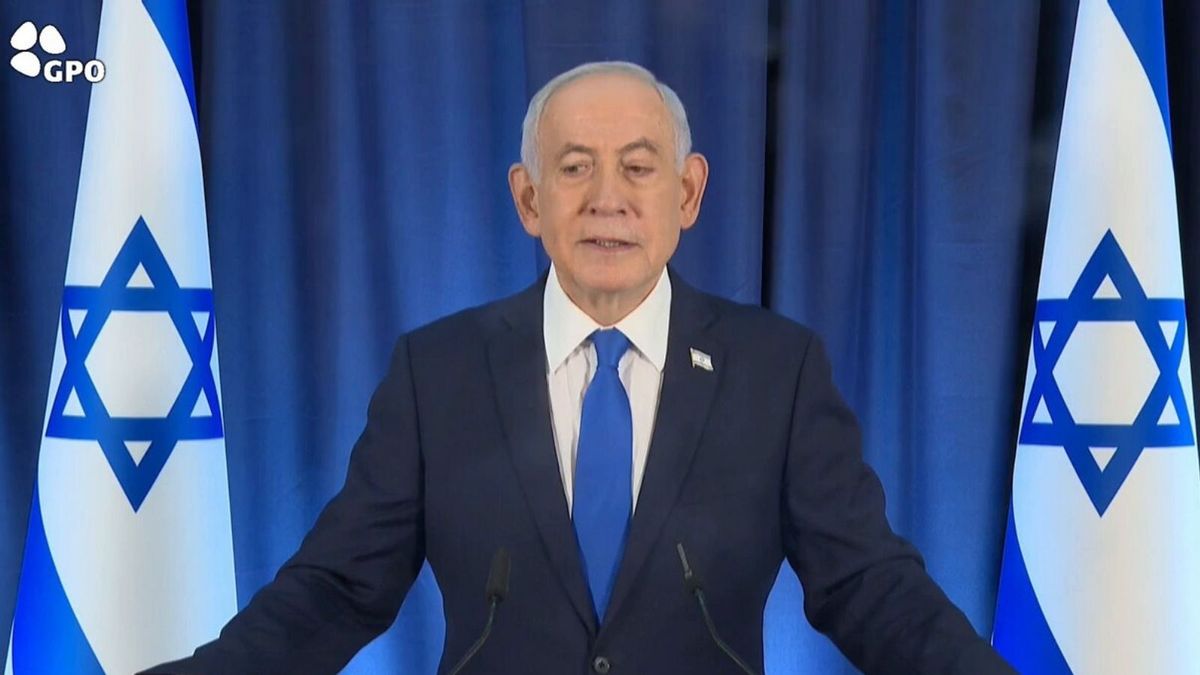
Perhaps the most intriguing and modern aspect of these death rumors involved sophisticated claims of artificial intelligence manipulation. Many social media users alleged that Netanyahu's highly anticipated March 12 televised address was not a live broadcast of the Prime Minister himself, but rather a sophisticated deepfake generated by AI software.
The "evidence" cited by these armchair analysts was remarkably specific. Viewers were encouraged to scrutinize the footage, noting that Netanyahu’s fingers all appeared to be the same size, with a particular focus on his left hand where, at one point, a "sixth finger" purportedly appeared. An artifact on his right hand was also pointed out, though viewers were advised to disregard it and concentrate on the left. Such detailed observations, even if unfounded, lent a veneer of credibility to the AI claims, leading to concerns about Israel's potential use of advanced deepfake technology in official communications.
Netanyahu himself swiftly addressed these bizarre allegations during his March 12 press conference. Speaking directly to the foreign press in English, he emphatically declared, "First of all, I just want to say I'm alive, and you're all witnesses." He then confidently added, "Now that I have dispatched this piece of fake news, I want to give you an update on Operation Roaring Lion," before moving on to pressing operational matters.
In a follow-up, more lighthearted public appearance on March 15, Netanyahu released a short video from a café outside Jerusalem, sarcastically making light of the rumors. As he received a steaming cup of coffee, he quipped, "I'm dead for coffee." He then playfully raised his hands to the camera, asking, "Do you want to count the number of fingers?" Despite this clear and direct debunking, the pervasive nature of AI skepticism meant that even this lighthearted video was labeled as AI-generated by some users and even by X's AI chatbot, Grok.
The proliferation of these AI claims underscores a critical challenge in the digital age: discerning authenticity. While AI deepfakes are indeed a growing concern, it's crucial for viewers to exercise skepticism and look for multiple indicators of manipulation rather than isolated anomalies, which can often be attributed to camera glitches, bad lighting, or even simple human error in perception. For more insights into how these claims were effectively neutralized, read
Netanyahu's 'I'm Alive': How He Debunked AI-Generated Death Hoaxes.
Official Rebuttals and Verifiable Facts
The weight of verifiable evidence firmly disproved the death rumors. Far from being killed, Prime Minister Benjamin Netanyahu made multiple concrete public appearances and statements that served as irrefutable proof of life.
The most significant piece of evidence was his live, televised press conference on the evening of March 12. During this event, he not only delivered extensive remarks but also directly addressed and debunked the death rumors with his unequivocal "I'm alive" statement. This was not a pre-recorded message or a textual statement; it was a live broadcast of a public figure engaging with the press and the public.
Furthermore, Netanyahu continued to maintain a public profile. Beyond the aforementioned café video, he engaged in other public duties and maintained his social media presence, albeit with some initial delays that prompted the rumors. There was, at no point, any credible evidence from official Israeli government sources, international news agencies, or reputable geopolitical analysts corroborating the claims of an Iranian missile strike or his death. The Israeli government, despite frequently being the target of various forms of disinformation, provided direct and clear refutations, demonstrating its commitment to dispelling false narratives quickly.
In any high-stakes political or geopolitical situation, the absence of confirmation from multiple, independent, and reputable news outlets should be a primary indicator that a circulating rumor is likely false. Fact-checking organizations, like Snopes (which also investigated these claims), quickly rated the allegations as untrue based on the overwhelming lack of evidence and the Prime Minister's public appearances. When confronted with such sensational claims, the importance of consulting diverse, trusted news sources and official government channels cannot be overstated. For a deeper dive into the broader debunking efforts, explore
Netanyahu Alive: Debunking Viral Death Rumors & AI Video Claims.
The Broader Impact: Navigating Misinformation in the Digital Age
The intense spread of "Is Netanyahu Alive Latest Update Reddit" queries and related death rumors serves as a stark reminder of the pervasive and often damaging nature of misinformation in our hyper-connected world. In an age where news cycles are measured in minutes, and social media platforms act as both instantaneous news feeds and echo chambers, false narratives can quickly gain traction, causing widespread confusion, anxiety, and even impacting international relations.
Such incidents erode public trust, not only in political figures but also in traditional media and the information ecosystem itself. The ease with which unverified claims, amplified by anonymous accounts or even sophisticated deepfake allegations, can circulate highlights the urgent need for enhanced media literacy among the general public.
Here are some practical tips to help navigate the treacherous landscape of online misinformation:
*
Verify Sources: Always question the origin of information. Is it from a reputable news organization with a history of accurate reporting, or an anonymous social media account? Be wary of sensational headlines without supporting evidence.
*
Cross-Reference Information: If you encounter a sensational claim, seek it out from at least two or three other diverse and trusted news outlets. If no other credible source is reporting it, it's likely false.
*
Examine Visuals Closely: Develop a critical eye for images and videos. Look for inconsistencies in lighting, shadows, movements, or audio synchronization that might indicate manipulation. Tools exist to help detect deepfakes, though they are not foolproof.
*
Check Dates and Context: Old news or out-of-context information is frequently repackaged as current events. Always verify the date and original context of any story.
*
Consult Fact-Checking Websites: Organizations like Snopes, FactCheck.org, and others are dedicated to investigating and debunking rumors and misinformation. Make them a regular stop when in doubt.
*
Be Wary of Emotional Triggers: Misinformation often plays on strong emotions like fear, anger, or outrage. If a piece of content makes you feel intensely emotional, pause and verify it before sharing.
Conclusion
The extensive rumors surrounding Prime Minister Benjamin Netanyahu's alleged death, fueled by a temporary communication gap and alarming AI deepfake claims, ultimately proved to be unequivocally false. His public appearances, direct statements, and the absence of any credible corroborating evidence from official sources firmly debunked the narrative. This episode serves as a powerful case study in the challenges of the digital age, underscoring how quickly unverified claims can spread and the critical importance of media literacy, critical thinking, and rigorous fact-checking for every individual engaging with online information. In an increasingly complex global landscape, vigilance against disinformation is not just a personal responsibility but a collective necessity.